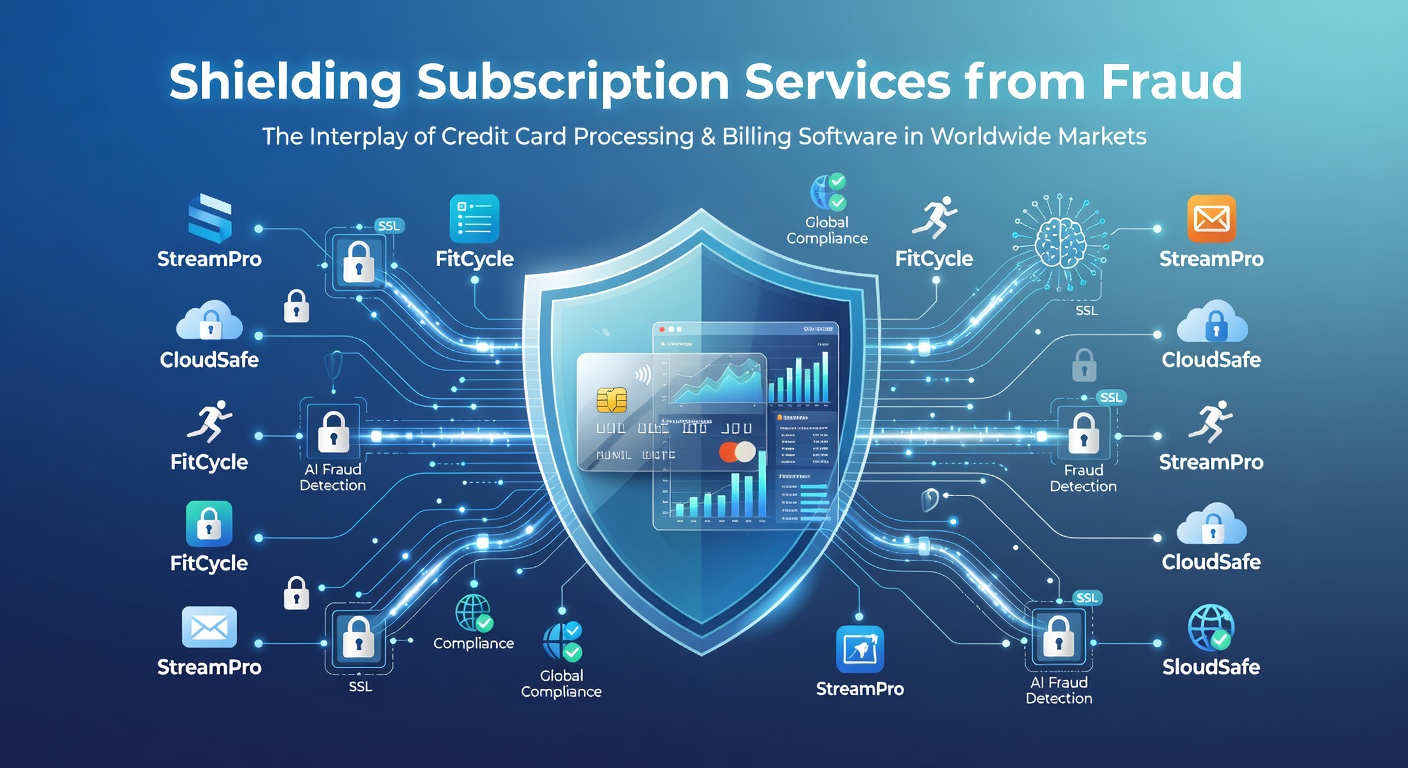
The Interplay of Credit Card Processing and Billing Software in Shielding Subscription Services from Fraud in Worldwide Markets
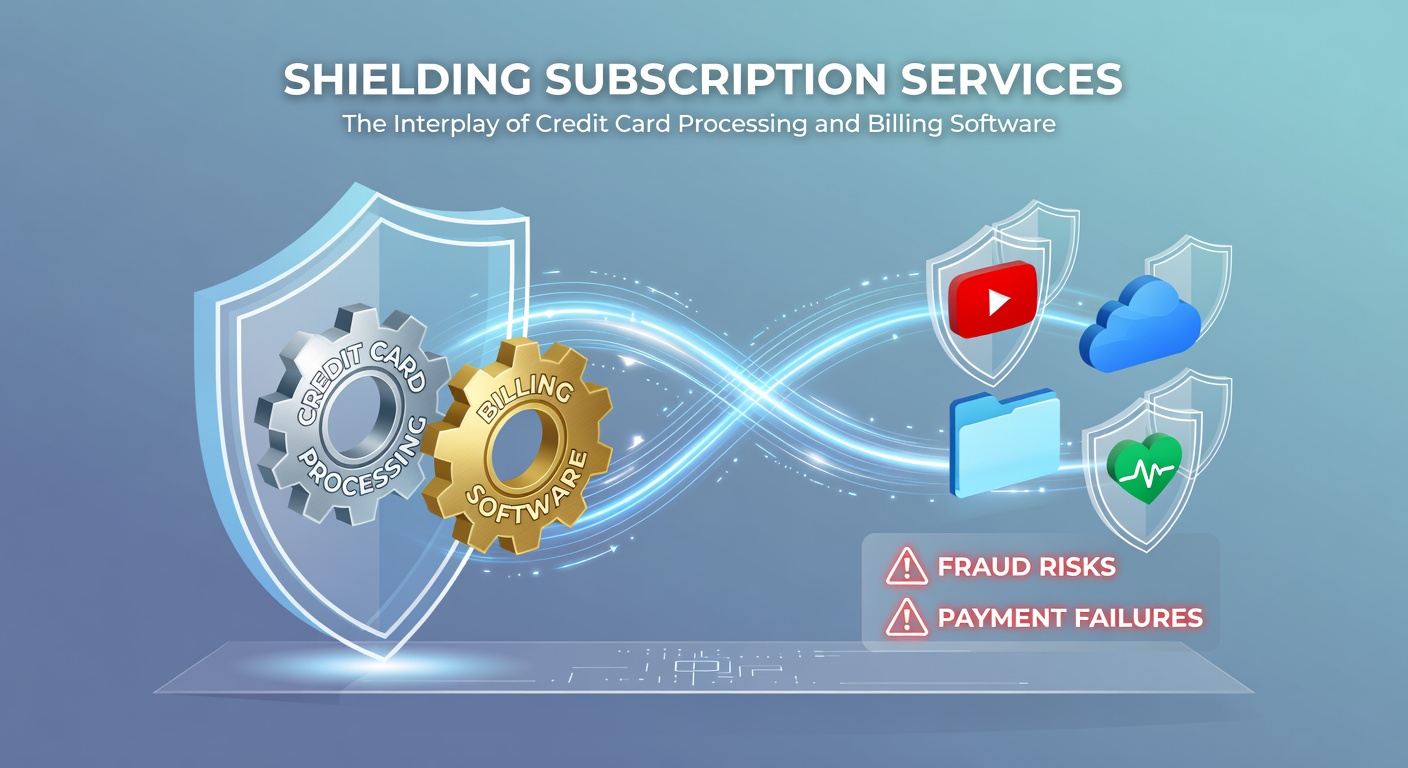
Subscription services across global markets rely on coordinated systems where credit card processing handles transaction authorization while billing software manages recurring charges and account updates, and their combined functions create layered protections against fraudulent activities that target recurring payment streams. Data from payment networks shows that coordinated verification steps at the processing level feed directly into billing platforms, allowing immediate flags for mismatched details such as unusual geographic locations or velocity patterns that exceed typical subscriber behavior.
Credit Card Processing Mechanisms in Subscription Environments
Authorization requests travel through acquirers and card networks where address verification systems and card verification value checks operate as initial filters, and these steps integrate with billing software that stores tokenized card data rather than full account numbers to limit exposure during each renewal cycle. Processors apply machine learning models trained on historical transaction sets to score risk in milliseconds, passing results to billing applications that then decide whether to proceed with a charge or trigger additional customer authentication flows.
Tokenization standards established by major card brands replace sensitive data with unique identifiers that billing software uses for subsequent billings, adn this separation reduces the value of any intercepted records because the tokens function only within specific merchant environments. Observers note that in markets spanning North America, Europe, and Asia-Pacific regions, processors update their risk algorithms monthly based on emerging fraud typologies reported through shared industry databases.
Billing Software Capabilities for Ongoing Monitoring
Billing platforms track subscriber payment histories and detect anomalies such as sudden switches to new cards or changes in billing addresses that coincide with high-value subscriptions, and these signals prompt the software to route transactions through enhanced verification channels coordinated with the underlying credit card processor. Automated retry logic in billing applications pauses attempts after failed authorizations flagged as potentially fraudulent, which prevents repeated probes that fraudsters use to test card validity.
Integration points allow billing software to receive real-time responses from processors regarding declines due to suspected fraud, enabling immediate account holds or notifications to subscribers without manual intervention. Research from institutions including the Bank for International Settlements indicates that such synchronized systems have contributed to measurable declines in chargeback rates for subscription merchants operating across multiple currencies and regulatory jurisdictions.
Global Market Adaptations and Regulatory Influences
Regional variations influence how the interplay functions, as European markets enforce strong customer authentication requirements under payment services directives that billing software must accommodate by prompting processors for additional data elements during high-risk renewals. In contrast, Asia-Pacific operators often emphasize device fingerprinting and behavioral analytics that feed from billing records back into processor scoring models to account for mobile-first subscription growth.
North American processors collaborate with billing providers to implement velocity controls that limit the number of successful transactions per card within defined time windows, and these controls adapt dynamically based on aggregate data collected across worldwide merchant portfolios. As of May 2026, updates to cross-border data sharing protocols have expanded the scope of information available to both processing and billing layers, allowing faster identification of coordinated fraud rings operating through multiple countries.
Companies managing subscriptions in seasonal industries, such as streaming services with fluctuating regional demand, benefit when billing software adjusts authorization parameters according to processor-supplied insights on local holiday spending patterns that might otherwise appear suspicious. A report from the Reserve Bank of Australia highlights how integrated platforms have supported stable transaction approval rates even as fraud attempts increased in volume during periods of economic volatility.
Technical Synchronization Points Between Systems
Application programming interfaces serve as the primary connection where billing software transmits transaction details to processors for approval and receives enriched data on risk scores or recommended actions, and these exchanges occur within encrypted channels that maintain compliance with data protection standards across jurisdictions. Real-time dashboards accessible to merchant teams display combined metrics from both systems, revealing patterns such as clusters of declined renewals originating from specific IP ranges.
Dispute management modules within billing software pull chargeback notifications directly from processors, enabling automated categorization and response workflows that reduce resolution times and preserve revenue where evidence supports legitimate subscriber activity. Those who have examined implementation case studies observe that merchants achieve lower fraud losses when they configure billing rules to mirror processor thresholds for parameters like transaction amount and frequency.
Conclusion
The coordinated operation of credit card processing and billing software establishes multiple checkpoints that collectively reduce opportunities for fraud in subscription services operating across worldwide markets, with each layer supplying data that refines the effectiveness of the other. Continued evolution in these integrations reflects responses to shifting threat landscapes and regulatory frameworks that vary by region yet share common goals of protecting payment ecosystems.