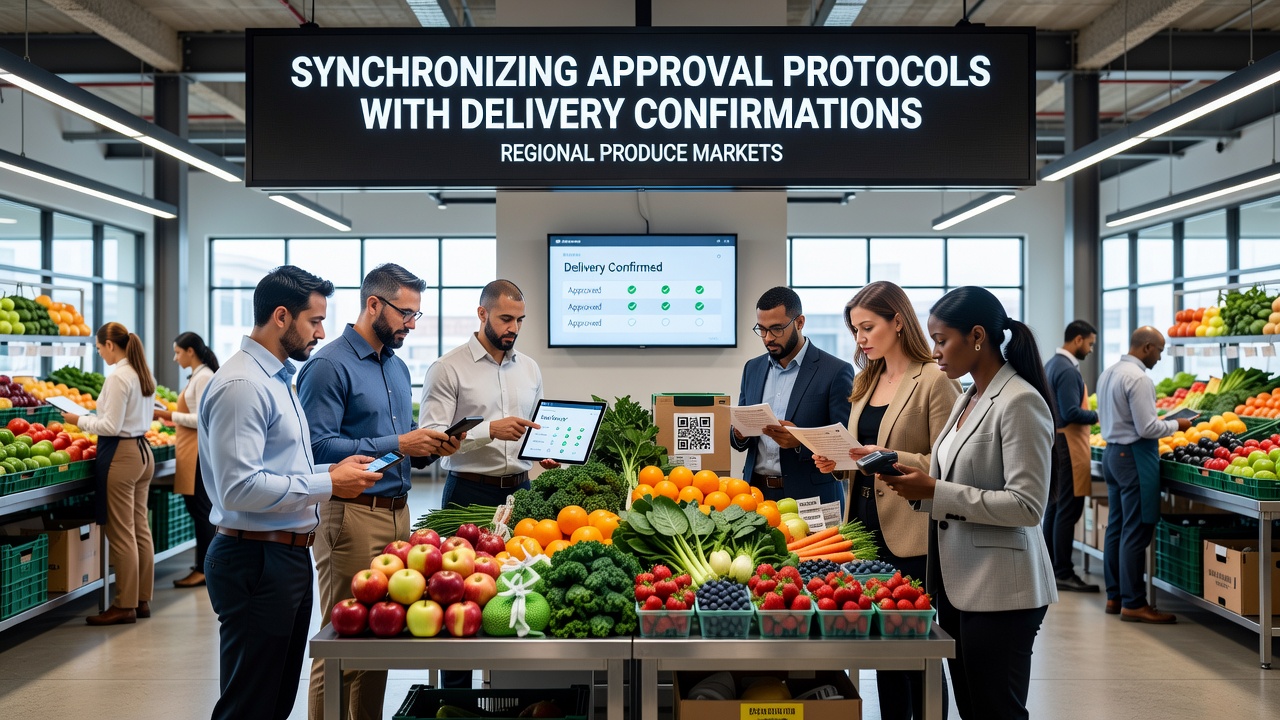
Synchronizing Approval Protocols with Delivery Confirmations Across Regional Produce Markets
Regional produce markets operate through coordinated layers where approval protocols for quality standards, safety inspections, and regulatory compliance align directly with delivery confirmation systems that verify arrival times, quantities, and conditions at each transfer point. These alignments reduce mismatches between expected shipments and received goods, while data from multiple growing seasons shows improved tracking accuracy when digital logs connect inspection results to real-time transport updates.
Approval protocols typically involve sequential checks at origin points such as farms or packing facilities, followed by intermediate verifications at regional hubs, and final assessments upon arrival at retail or wholesale destinations. Delivery confirmations capture timestamps, temperature readings during transit, and visual inspections that match against pre-approved criteria, creating closed loops that flag discrepancies before further distribution occurs.
Core Components of Protocol Alignment
Quality approval steps cover pesticide residue testing, grading for size and ripeness, and documentation of handling practices, while delivery confirmations record GPS-tracked routes alongside sensor data on humidity and vibration exposure. When these elements synchronize, systems cross-reference approval certificates against delivery manifests to confirm that only cleared batches proceed, and studies from agricultural extension services indicate fewer rejected loads in networks that maintain such linkages.
Regional variations appear in how protocols adapt to local crops and climates, with temperate zones emphasizing cold-chain validations for leafy greens and subtropical areas focusing on ethylene control approvals for fruits like bananas and avocados. Delivery systems in these settings integrate weather data feeds to adjust confirmation windows, allowing markets to account for delays caused by seasonal storms without disrupting downstream schedules.
Implementation Across Different Regions
North American networks, drawing from Agriculture and Agri-Food Canada records, demonstrate how standardized forms for organic certification approvals link to electronic proof-of-delivery records that include driver signatures and vehicle condition notes. European operations apply similar structures under common agricultural policy guidelines, where phytosanitary certificates receive digital timestamps that must match delivery arrival logs at border checkpoints.
Asia-Pacific examples highlight synchronization in high-volume vegetable corridors, where mobile apps capture both approval photos of sorted produce and delivery scan confirmations at market gates. These tools create audit trails that regulators access during compliance reviews, and figures from the Food and Agriculture Organization reveal measurable reductions in post-harvest losses when such dual-verification processes operate consistently across seasons.
Technological Integration and Data Flows
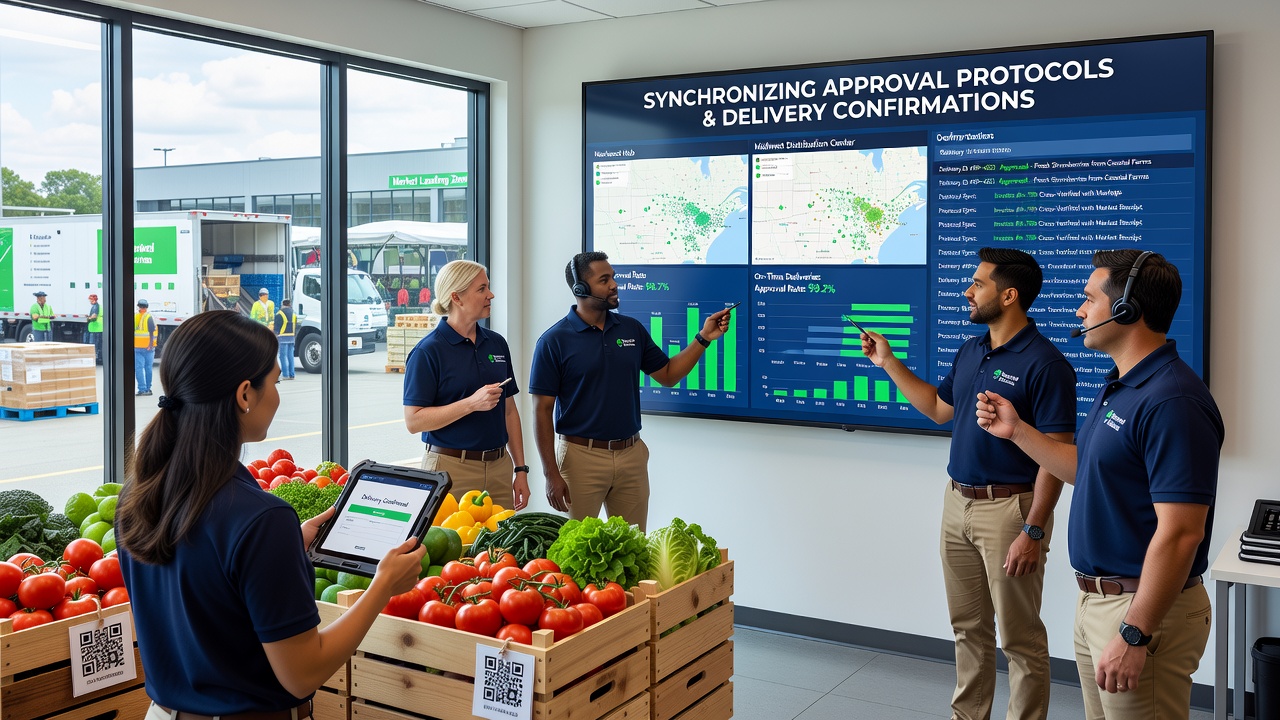
Software platforms merge approval databases with logistics tracking modules so that a batch cleared at the farm level automatically updates its status upon each delivery checkpoint. Barcode or RFID tags attached during initial approvals carry forward through the chain, triggering confirmation alerts when scanners read them at unloading zones. Observers note that this integration allows quick identification of temperature excursions that occurred after approval but before final confirmation, enabling targeted interventions rather than broad recalls.
June 2026 projections from several agricultural research centers anticipate increased adoption of cloud-based dashboards that overlay approval timelines onto live delivery maps, particularly useful during peak harvest periods for stone fruits and berries. These dashboards aggregate data from multiple regional markets into unified views, helping coordinators adjust protocols when early-season weather patterns alter expected delivery windows.
Operational Challenges and Adjustments
Bandwidth limitations in remote growing areas sometimes interrupt real-time confirmation uploads, forcing fallback to batch synchronization at the end of each day. Regulatory differences between neighboring regions can also create friction, as approval criteria valid in one jurisdiction may require additional documentation before delivery confirmations gain acceptance elsewhere. Networks address these gaps through standardized data fields that accommodate multiple compliance layers without altering core delivery sequences.
Training programs for market staff emphasize accurate entry of both approval details and confirmation metrics, since errors at either stage propagate through the entire synchronization chain. Case examples from cooperative farming groups show that consistent staff protocols correlate with higher match rates between approved volumes and confirmed receipts over successive growing cycles.
Conclusion
Synchronization of approval protocols with delivery confirmations establishes verifiable pathways that support efficient produce movement across regional markets, backed by consistent data collection at each stage. Continued refinement of these linkages, informed by seasonal performance metrics and cross-regional comparisons, sustains reliable supply flows while meeting evolving safety and quality expectations.