Synchronization of Transaction Records with Supply Chain Data for Cooperative Farming Sales Networks

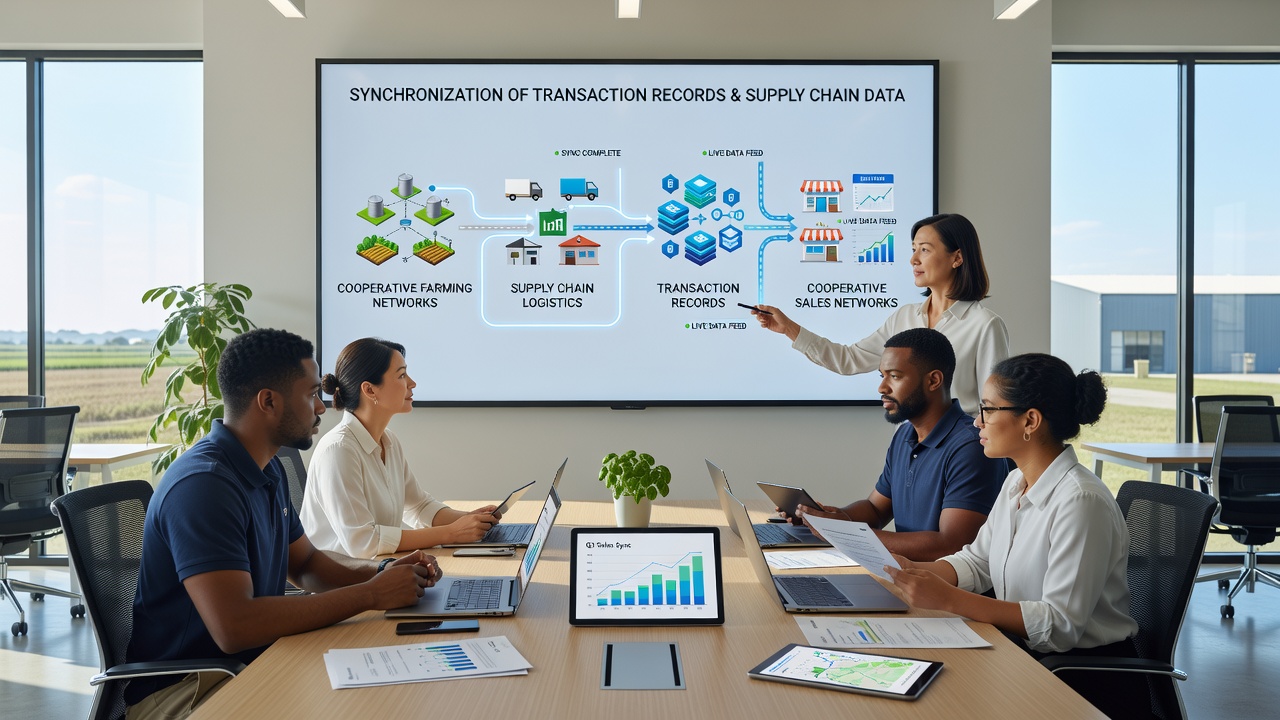
Cooperative farming sales networks bring together multiple producers who pool resources for collective marketing and distribution, and synchronization of transaction records with supply chain data ensures that every sale aligns precisely with inventory movements, production inputs, and logistics flows. Systems integrate point-of-sale entries directly with warehouse logs and transport schedules, which reduces discrepancies that once required manual reconciliation across separate ledgers. Data flows through standardized APIs that connect farm management software to enterprise resource planning platforms used by teh cooperative central office, while timestamps on each record allow auditors to trace a single harvest batch from field pickup through final buyer delivery.
Core Components of Record Synchronization
Transaction records capture details such as buyer identity, volume sold, unit pricing, and payment status at the moment of exchange. Supply chain data encompasses planting records, harvest yields, storage conditions, quality test results, and carrier assignments that follow each batch. When these two datasets merge in real time, cooperative managers gain a unified view that shows whether contracted volumes match actual shipments leaving the facility on any given day. Automated matching routines flag variances above predefined thresholds, prompting staff to investigate missing entries or routing errors before they compound across multiple member farms.
Integration Methods in Practice
Many networks deploy middleware layers that translate between legacy farm accounting packages and modern cloud-based supply chain modules, allowing older equipment still common on smaller holdings to feed data into the central system without full hardware replacement. Electronic data interchange protocols remain prevalent for larger buyers who require structured formats, whereas newer implementations favor RESTful APIs that push updates every few minutes during peak sales periods. In regions with intermittent connectivity, edge devices store batches locally and synchronize once links restore, preserving sequence integrity through unique identifiers assigned at the point of origin.
Regional Developments Around Mid-2026
By June 2026 several North American cooperatives had completed multi-year rollouts that linked soil sensor outputs with downstream sales dashboards, enabling predictive adjustments to delivery schedules based on yield forecasts generated weeks earlier. European networks operating under updated common agricultural policy reporting rules adopted similar architectures to satisfy mandatory digital traceability requirements, while Australian grower groups incorporated satellite imagery layers that cross-reference harvest volumes against transaction totals for drought-affected commodities. These projects typically follow phased pilots that begin with one commodity category before expanding to full catalogs.
Standards and External Linkages
Observers note that alignment with international data exchange norms such as GS1 standards facilitates smoother handoffs when cooperatives sell across borders, because buyer systems already recognize the same product identifiers used internally. According to reports from the
Food and Agriculture Organization, networks that maintain synchronized datasets experience fewer delays at customs checkpoints when documentation matches physical cargo exactly. In parallel, United States Department of Agriculture analyses highlight how integrated records support eligibility verification for federal marketing assistance programs that require proof of volume handled through approved channels.
Operational Workflows and Data Governance
Daily routines in synchronized environments start with overnight batch uploads from member farms that feed into a shared ledger, followed by morning validation runs that reconcile overnight sales against dispatch notes. Access controls limit editing rights to designated roles, and every change carries an audit trail that records the user, timestamp, and previous value. Governance committees within cooperatives establish retention schedules and sharing agreements that comply with regional privacy statutes while still permitting aggregate analytics across the entire membership base.
Conclusion
Synchronization of transaction records with supply chain data continues to evolve as cooperatives adopt successive generations of connectivity tools and reporting mandates tighten. Networks that maintain consistent linkages between sales events and upstream activities position themselves to meet buyer expectations for verifiable provenance while satisfying regulatory submissions drawn directly from operational systems.