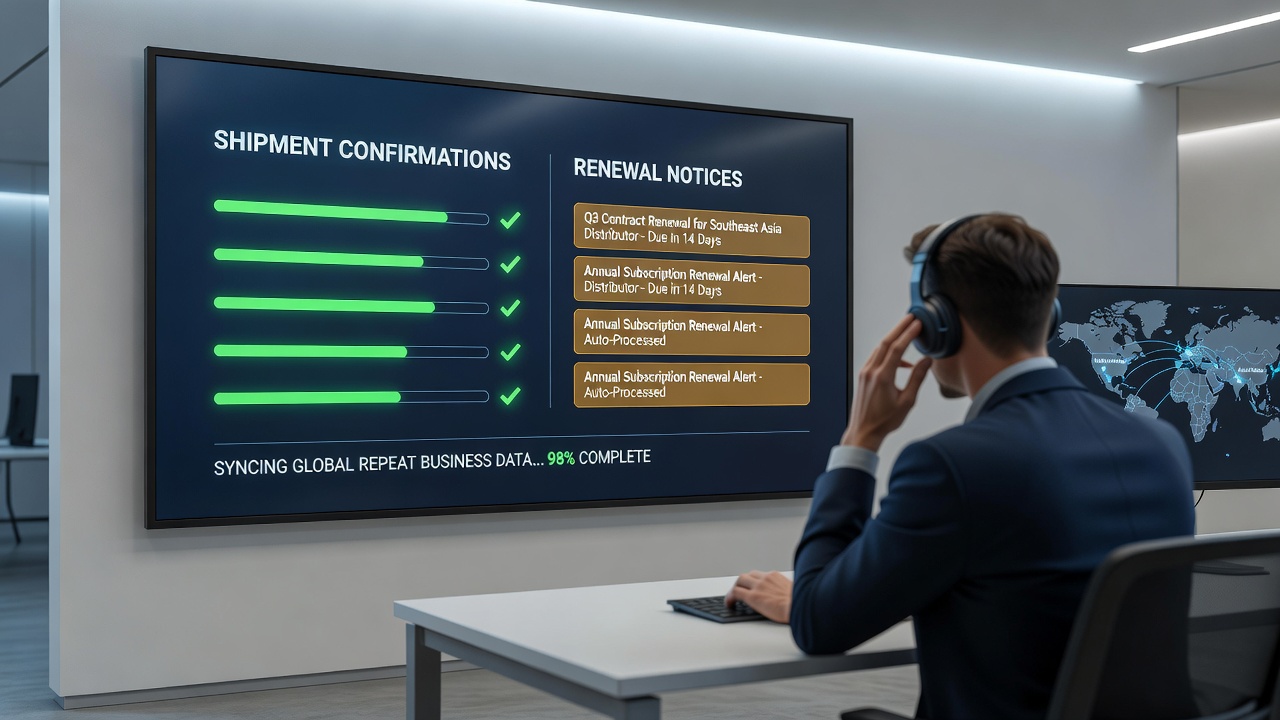
Shipment Confirmations Syncing with Renewal Notices for Independent Producers Managing Global Repeat Business
Independent producers who handle recurring international orders rely on coordinated systems that connect physical shipment data directly to billing cycles. These connections ensure renewal notices reach customers only after delivery confirmations arrive, which reduces mismatches between expected goods and charged amounts across multiple time zones and regulatory environments. Data from cross-border commerce platforms shows that synchronization protocols pull tracking events from logistics providers into merchant dashboards. When a package reaches its destination, the system triggers an update that either postpones or activates the next renewal notice based on predefined rules. This process operates through APIs that exchange standardized shipment status codes with payment gateways, allowing small-scale exporters to maintain steady revenue streams without manual intervention.Core Mechanisms Behind the Sync Process
Producers set up rules within their management software that link carrier feeds to customer account records. A completed delivery in one region automatically adjusts the billing schedule for a buyer in another, while failed or delayed shipments pause renewals until resolution occurs. Observers note that such linkages rely on real-time data exchange rather than batch processing, which keeps information current across continents.
Independent operators often integrate multiple carrier APIs into a single dashboard. The software then matches shipment identifiers with recurring order profiles, creating an audit trail that documents each step from dispatch through final receipt. Research indicates these trails help producers comply with varying international reporting requirements for digital transactions.
Handling Multi-Country Repeat Orders
Global repeat business introduces variables such as customs clearance times and local delivery standards. Systems address these by incorporating estimated transit buffers into renewal triggers, so notices generate only after actual confirmation rather than projected dates. Figures from trade monitoring services reveal that producers using these buffers experience fewer disputes related to premature billing.
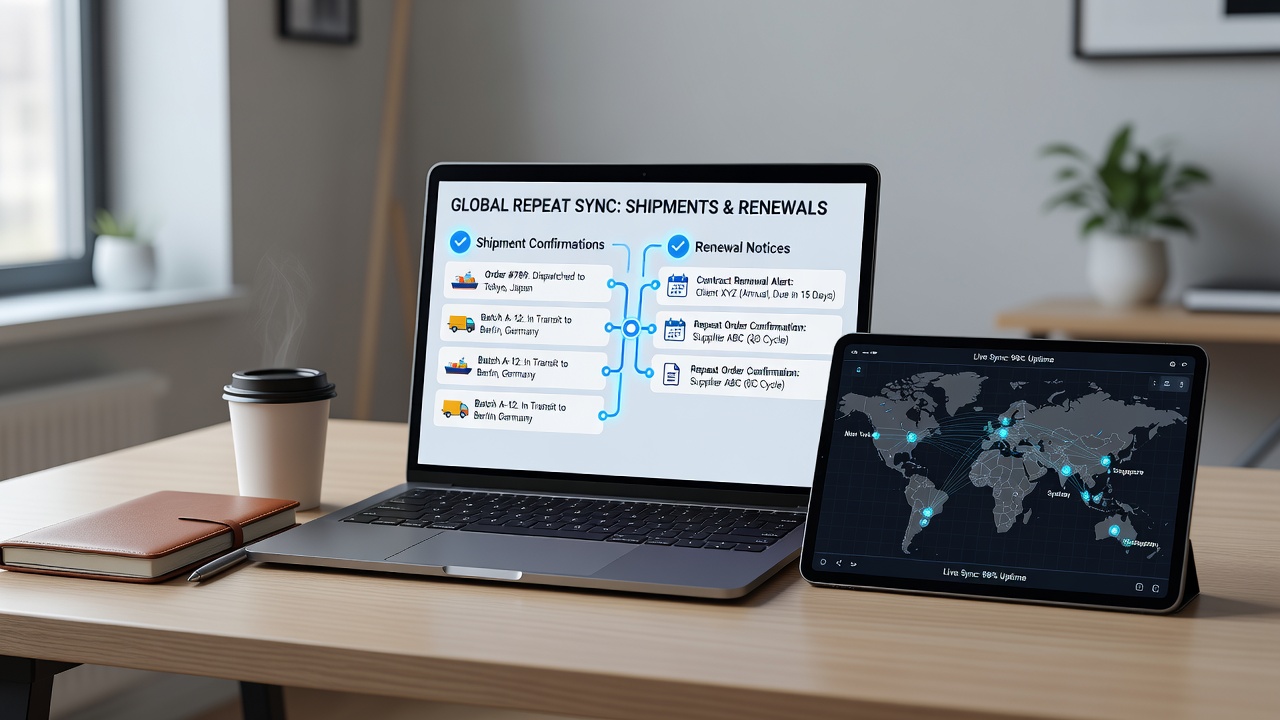
One documented workflow involves a textile producer in Southeast Asia serving clients in Europe and North America. Upon each confirmed delivery, the platform logs the event and recalculates the next invoice date according to the agreed subscription interval. The approach accommodates seasonal demand shifts while preserving cash flow predictability for the producer.
Technical Requirements and Data Standards
Effective synchronization depends on consistent data formats between shipping carriers and billing platforms. Common protocols include JSON-based status updates that carry fields for delivery timestamps, recipient verification, and exception codes. Producers configure their systems to interpret these fields and apply corresponding actions to renewal sequences without requiring custom code for each new market entry.
Security measures encrypt these data streams end-to-end, while access controls limit visibility to authorized personnel only. Studies from international trade bodies highlight that standardized encryption practices support compliance with data protection rules across jurisdictions where producers operate.
July 2026 Implementation Context
Updates scheduled for July 2026 introduce enhanced tracking granularity for certain regional carriers, which will feed additional confirmation fields into existing sync frameworks. Independent producers who maintain current integrations can incorporate these fields to refine renewal timing further, particularly for routes involving new customs documentation requirements.
Platforms that already support flexible mapping of status codes to billing events position their users to adopt the changes with minimal disruption. This timing aligns with broader efforts to harmonize digital trade documentation across participating economies.
Conclusion
Coordinated shipment and renewal systems provide independent producers with reliable tools for managing global repeat business. By connecting verified deliveries to billing actions, these setups maintain operational continuity while addressing the practical demands of international logistics and recurring payments. Continued alignment with evolving carrier data standards supports ongoing accuracy in these processes.