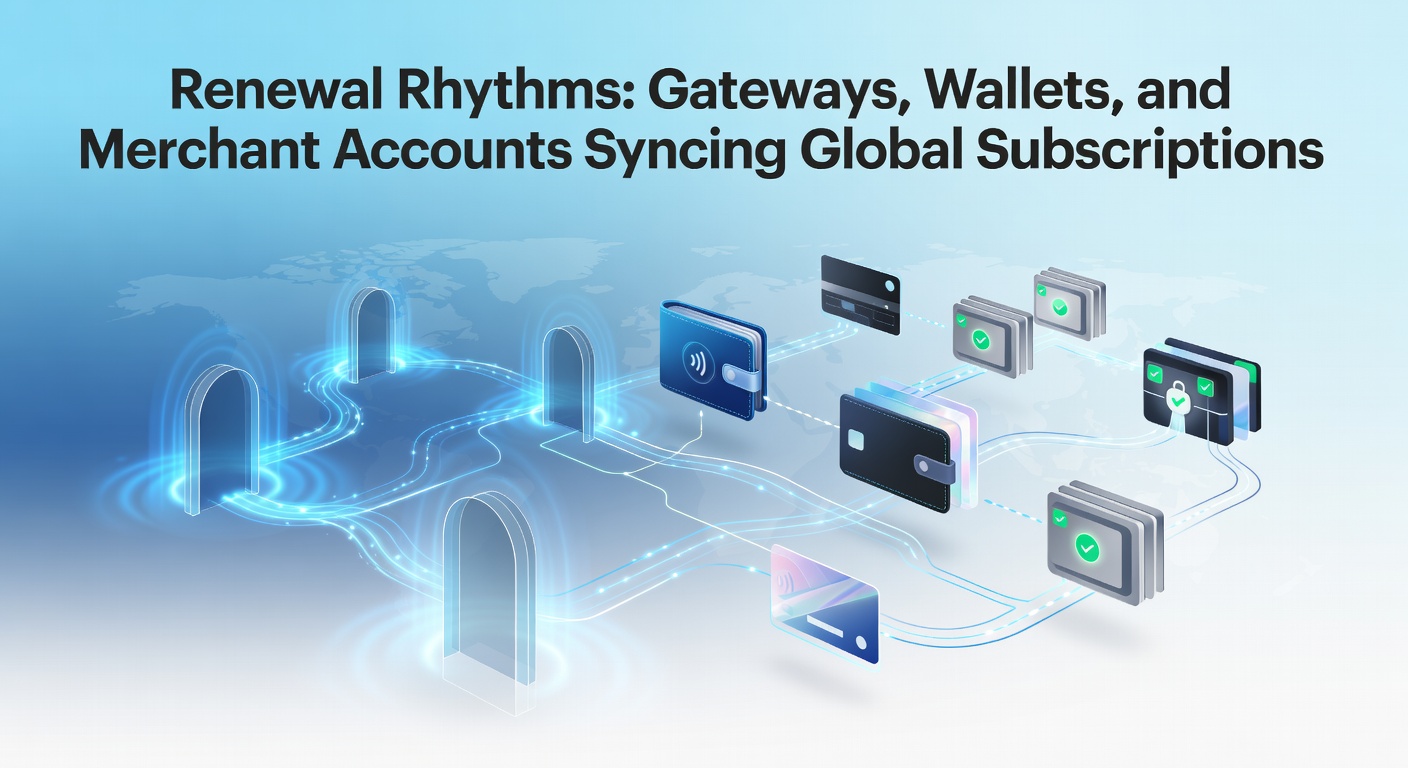
Renewal Rhythms: Gateways, Wallets, and Merchant Accounts Syncing Global Subscriptions
The Pulse of Global Subscriptions
Subscription models power everything from streaming services to software tools these days, and at the heart of their continuity lie renewal rhythms; those precise cycles where payments automatically trigger, funds transfer, and services persist without a hitch. Gateways handle the initial transaction flow, wallets store payment details securely across devices, while merchant accounts aggregate and settle funds from diverse sources, yet syncing them globally turns into a complex dance because currencies fluctuate, regulations differ by region, and consumer behaviors shift with time zones. Data from the Federal Reserve's 2023 Payments Study reveals that recurring payments now account for over 40% of U.S. e-commerce volume, a trend mirroring growth worldwide where businesses struggle to keep renewals in rhythm amid fragmented systems.
Experts who track payment ecosystems note how one missed sync can cascade into failed renewals, churn rates spiking by as much as 15% according to industry benchmarks; that's why platforms increasingly prioritize real-time data exchange between gateways like Stripe or Adyen, digital wallets such as Apple Pay and Google Wallet, and merchant accounts hosted by processors including Worldpay or Braintree. And here's where it gets interesting: modern syncing relies on APIs that pulse data every few seconds, ensuring a Brazilian user's Netflix renewal hits at 3 a.m. local time while the merchant account in Ireland captures euros converted seamlessly from reals.
Gateways as the Frontline Conductors
Payment gateways act as the entry points for subscription renewals, validating card details or wallet tokens before routing funds toward merchant accounts, but in global setups, they must juggle multiple acquiring banks and compliance standards simultaneously. Take one SaaS company serving Europe and Asia; its gateway syncs with local processors to handle SEPA direct debits alongside Alipay renewals, reducing latency from days to minutes through protocols like 3D Secure 2.0 which mandates biometric checks in regions like the EU.
What's significant is how gateways now embed predictive analytics to anticipate renewal failures—say, when a card nears expiration—and proactively nudge users via wallet apps, a tactic that European Commission data on PSD2 compliance shows boosts success rates by 20-30% across cross-border flows. Observers point out that without such syncing, gateways bottleneck at currency conversion hurdles, where a simple USD-to-AUD renewal might fail if exchange rates swing mid-process; thus, dynamic pricing engines recalibrate in real time, keeping the rhythm steady.
Wallets Bridging the Personal and Global Gap
Digital wallets don't just store credentials; they synchronize renewal data across ecosystems, allowing a user in Canada to renew a U.S.-based gym app using their phone's wallet while the merchant account settles in CAD via local gateways. Platforms like PayPal and Revolut excel here by tokenizing payment methods, which means gateways receive masked data that's refreshed automatically upon renewal, cutting fraud risks and ensuring continuity even if the user switches devices mid-cycle.
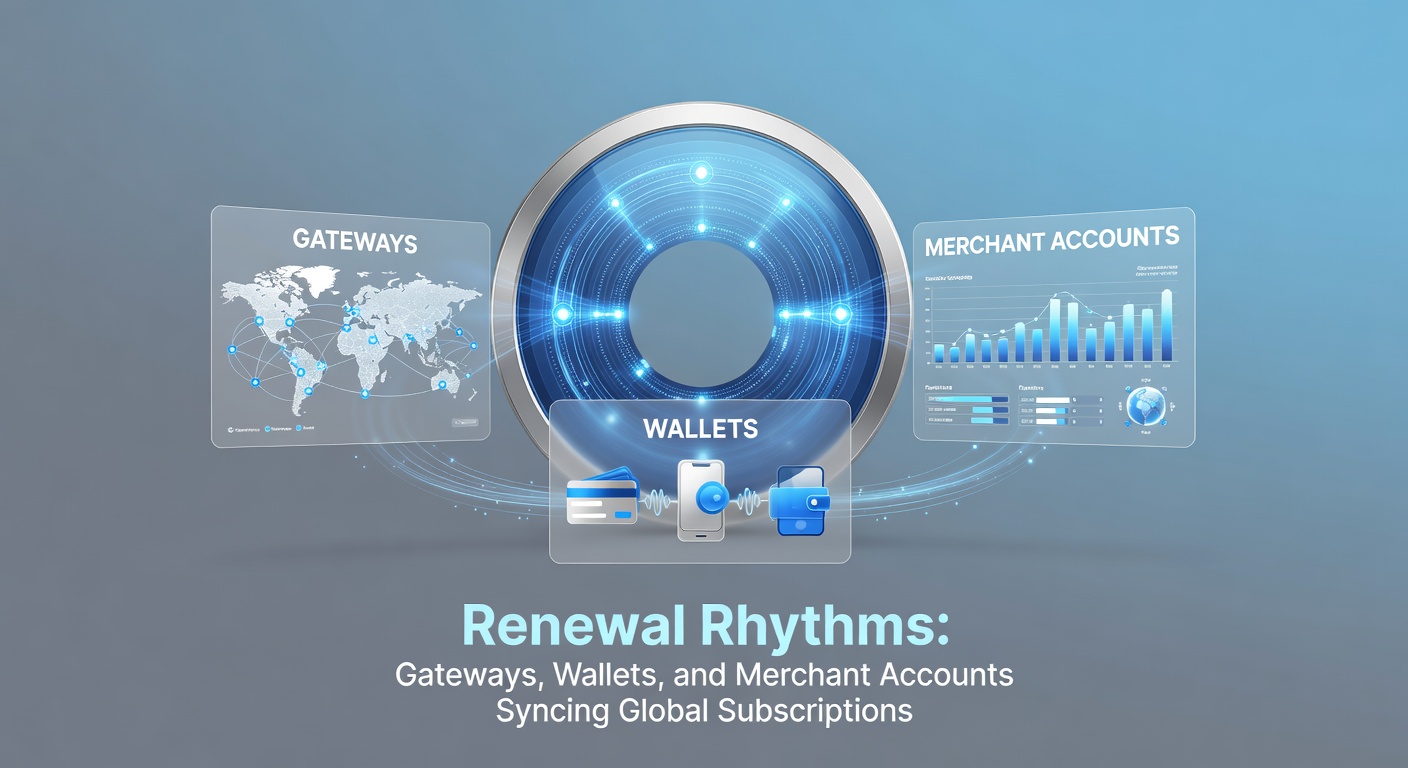
But here's the thing: syncing wallets globally demands handling disparate standards—think NFC in Australia versus QR codes in China—yet research from payments analysts indicates that unified APIs reduce renewal drop-offs by 25%, as wallets ping gateways preemptively for authorization. One case stands out where a streaming service integrated Samsung Wallet across 50 countries; renewals synced flawlessly with merchant accounts, even absorbing VAT changes in real time, which kept churn under 5% despite seasonal spikes.
Merchant Accounts: The Settlement Backbone
Merchant accounts consolidate inflows from synced gateways and wallets, batching renewals for settlement while navigating chargeback windows that vary from 60 days in the U.S. to 120 in parts of Europe, and that's where robust syncing prevents over-reserving funds during high-volume renewals. Processors like Square and Payoneer offer multi-currency accounts that mirror wallet balances instantly, so a merchant in Singapore sees GBP renewals from UK subscribers converted and settled without manual intervention.
Turns out, the real challenge hits during peak renewal windows—like month-end when millions of subscriptions align—and without API-driven syncs, merchant accounts face reconciliation nightmares; figures from global payment reports show that automated ledgers cut errors by 40%, allowing businesses to forecast cash flow with precision. People who've scaled subscriptions internationally often discover that pairing merchant accounts with gateway webhooks creates a feedback loop, where failed renewals trigger wallet retries automatically, maintaining the rhythm even across 24-hour cycles.
Yet regulatory shifts add layers; for instance, upcoming Australian rules effective in 2026 will mandate faster settlements for digital goods, pushing merchant accounts to sync tighter with gateways and wallets to comply without disrupting renewals.
Syncing Challenges and Tech Solutions in Action
Global syncing isn't seamless by default because time zone offsets delay gateway confirmations to wallets, while merchant accounts grapple with weekend banking closures in places like the Middle East; solutions emerge through event-driven architectures where microservices listen for renewal events across systems. One study highlighted by industry trackers details how a fitness app synced Adyen gateways with Google Wallet and a multi-region merchant account, slashing failed renewals from 12% to 2% via machine learning that predicts optimal retry times.
And consider edge cases: a user traveling from Japan to Germany whose wallet token expires mid-renewal; synced systems detect the IP shift, re-validate via gateway biometrics, and update the merchant ledger—all in under 10 seconds. It's noteworthy that blockchain-ledger tech, adopted by some processors, provides immutable audit trails for these syncs, vital for disputes in high-value subscriptions like enterprise software.
Now, looking ahead to April 2026, when enhanced ISO 20022 messaging standards roll out in Canada and parts of Asia-Pacific, gateways and wallets will sync richer data payloads with merchant accounts, enabling granular details like partial refunds on renewals without full reversals—a game-changer for hybrid billing models blending subscriptions with one-offs.
Case Studies: Real-World Renewal Symphonies
Take Spotify's global expansion; its gateways interface with over 100 wallets worldwide, syncing renewals to centralized merchant accounts that handle 180 currencies, resulting in 99.9% uptime during Black Friday surges as per their engineering disclosures. Similarly, a B2B tool provider in the Netherlands linked Mollie gateways to Apple Pay wallets and EU merchant accounts, navigating Brexit-era changes by automating VAT syncing, which preserved renewal rates above 90%.
There's this case from Australia where a media company faced renewal dips from wallet fragmentation; after implementing unified sync protocols, gateways pushed updates to merchant accounts proactively, recovering 18% of would-be lost revenue. These examples underscore how tight integration turns potential chaos into harmonious cycles, especially when scaling to emerging markets like India where UPI wallets demand sub-second confirmations.
Future Beats: April 2026 and Beyond
By April 2026, regulatory harmonies will accelerate syncing; the U.S. CFPB's refined rules on recurring billing will require gateways to share failure predictions with wallets, while EU updates to SCA protocols enhance biometric handoffs to merchant accounts. Data projections suggest these changes could lift global renewal success to 95%, as processors roll out AI-orchestrated syncs that adapt to user patterns in real time.
Observers anticipate quantum-secure encryption becoming standard for wallet-gateway links, fortifying merchant settlements against evolving threats, and that's where embedded finance platforms shine, bundling all three into single APIs for effortless global rhythms.
Wrapping the Rhythm
Renewal rhythms thrive when gateways, wallets, and merchant accounts sync precisely across borders, turning fragmented payments into reliable global flows that sustain businesses long-term. Challenges persist—from regulatory variances to tech latencies—but proven integrations and forward-looking standards like those slated for April 2026 pave the way for even smoother operations. Those navigating this landscape find that mastering the sync not only cuts churn but unlocks scalable growth in the subscription economy.