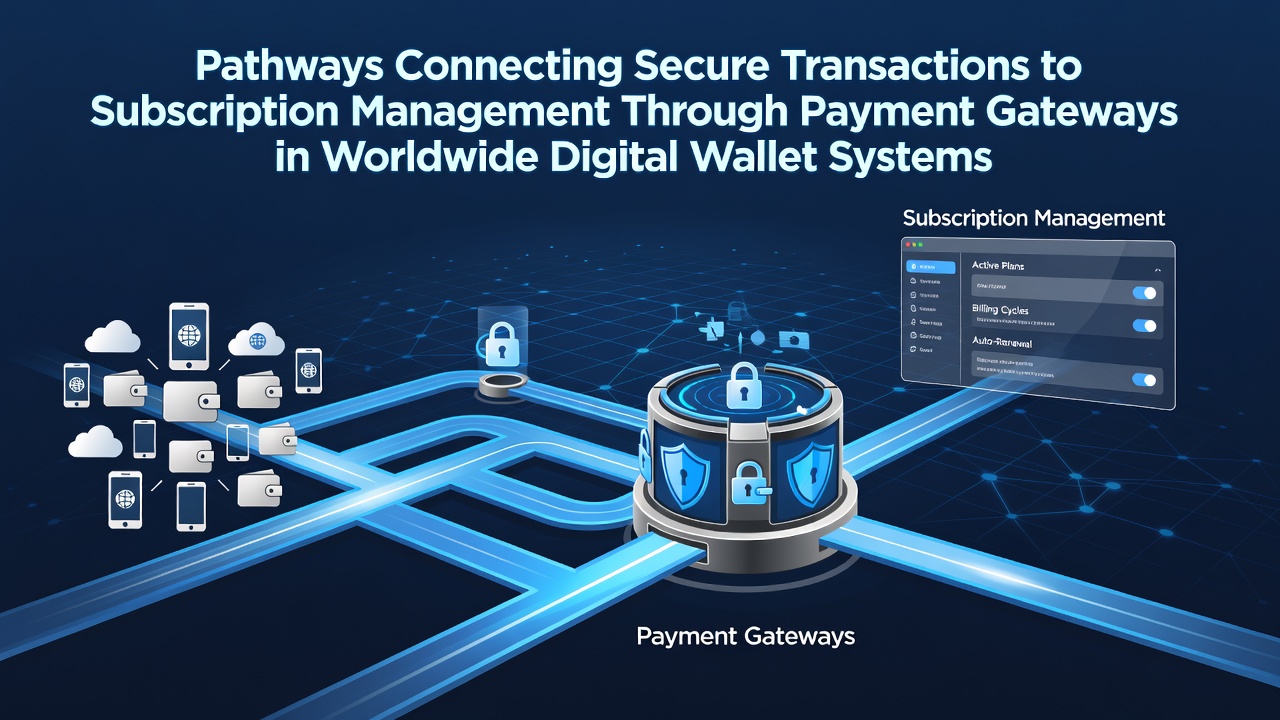
Pathways in Digital Finance: Linking Gateways, Wallets, and Subscription Frameworks Worldwide
Payment gateways serve as the central infrastructure that routes encrypted transaction data from digital wallets into subscription management platforms, and this linkage has expanded steadily across international markets. In August 2026 data releases from the Bank for International Settlements showed continued growth in cross-border wallet usage, with recurring billing volumes rising in both developed and emerging economies. Observers note that these systems rely on standardized protocols that authenticate users once and then authorize repeated charges without exposing sensitive card details each cycle.
Core Mechanisms of Gateway Integration
Gateways translate wallet-initiated requests into formats that subscription platforms can process, and they apply tokenization so that merchants receive only reference codes rather than raw account numbers. Researchers at the Bank for International Settlements documented how these tokens remain valid across multiple jurisdictions while still allowing issuers to revoke access instantly if fraud indicators appear. Digital wallets on the consumer side store these tokens locally, which reduces the number of times full credentials travel over networks and thereby lowers exposure during transmission.
Subscription platforms receive the tokenized authorization through APIs that gateways expose, and the platforms then schedule future pulls according to the agreed billing interval. When the next cycle arrives the gateway revalidates the token against issuer rules before releasing funds, and this loop repeats without requiring the user to re-enter payment information. Those who have examined transaction logs across regions report that the process typically completes in under three seconds when network latency stays within normal ranges.
Security Layers Across Regions
Encryption standards adopted by major gateways include end-to-end AES-256 for data in transit and at rest, while additional layers apply dynamic keys that rotate with each authorization request. Studies from the European Central Bank indicate that such layered encryption has contributed to measurable declines in certain categories of unauthorized recurring charges in the euro area. Digital wallet providers in Asia-Pacific markets have aligned their implementations with the same standards, which permits seamless handoff when a subscriber travels and the billing address shifts temporarily.
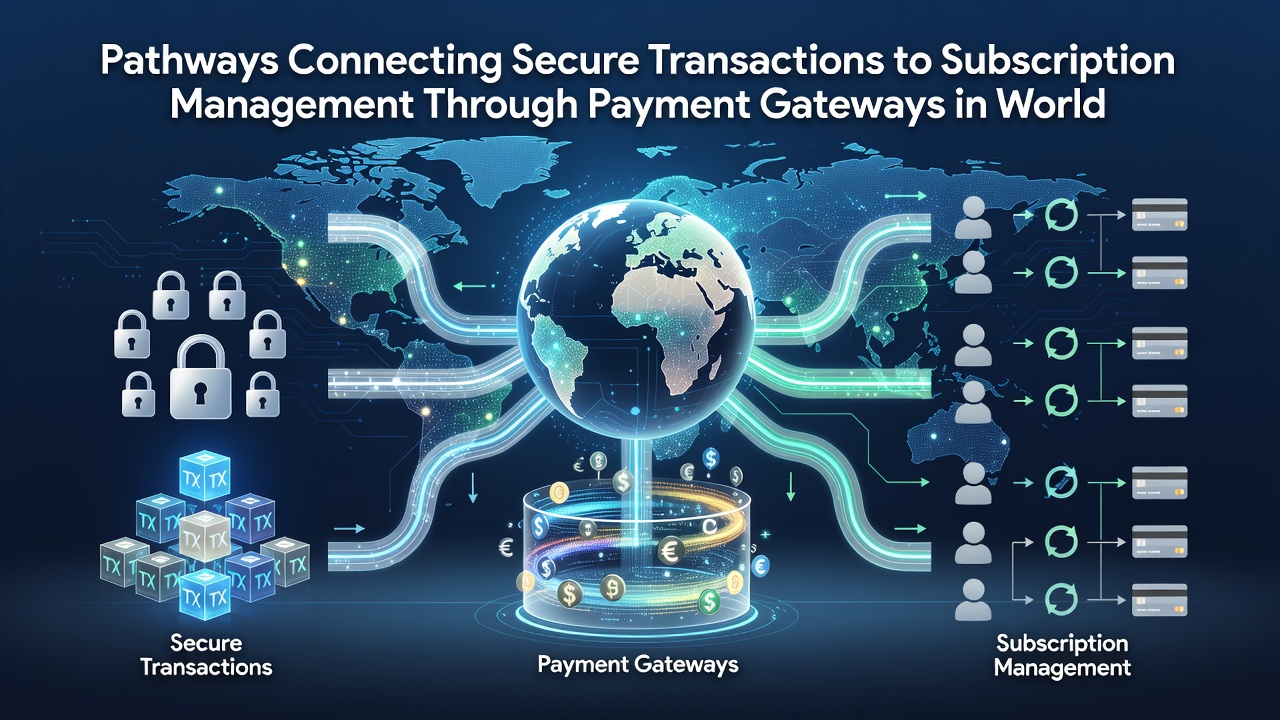
Multi-factor authentication sits at the point where the wallet first registers the payment method, after which subsequent subscription charges rely on the stored token and device-level biometrics for confirmation. Regulators in Canada and Australia have issued guidance that encourages gateways to maintain audit trails of every token request, and these records help issuers investigate disputes quickly when they arise. The result is a system in which security scales with volume because the heavy cryptographic work occurs at the gateway rather than inside each merchant's environment.
Global Wallet Ecosystems and Recurring Flows
Worldwide digital wallet adoption reached several billion active accounts by mid-2026, and subscription services ranging from streaming media to software tools now accept wallet-based payments in most territories. Gateways handle currency conversion at the point of authorization, applying real-time exchange rates so that the subscription platform receives settlement in its preferred currency. Data compiled by the Reserve Bank of Australia shows that this conversion step occurs after token validation, which keeps the process transparent to both subscriber and merchant.
When a subscriber changes regions the gateway detects the new location through device signals and may trigger a secondary verification step before allowing the next recurring charge. This step prevents unintended blocks while still satisfying local regulatory requirements. Experts tracking these patterns observe that the same gateways also support one-time top-ups, which keeps wallet balances sufficient for uninterrupted subscription continuity even when primary funding sources experience temporary holds.
Operational Coordination and Data Synchronization
Subscription platforms push updated billing amounts or plan changes back through the gateway, which then updates the token metadata so the wallet reflects the new terms. Synchronization occurs via secure webhooks that gateways push to both the wallet provider and the merchant backend, ensuring that all parties hold consistent records. Figures from industry reports reveal that platforms using this model experience fewer failed renewals because mismatches in amount or currency are corrected before the charge attempt occurs.
Merchants receive consolidated reporting that combines wallet transactions with traditional card data, and the gateway formats these reports to meet tax and accounting standards in each operating country. Observers note that this unified view simplifies reconciliation for companies that serve customers across multiple continents and must comply with varying disclosure rules.
Conclusion
The pathways that connect secure transactions to subscription management through payment gateways continue to evolve as digital wallet systems expand their reach. Standardized tokenization, layered encryption, and synchronized data flows form the backbone that supports recurring billing at global scale. As August 2026 figures indicate, these integrations have become routine infrastructure rather than experimental features, and further refinements in authentication and reporting protocols are expected to maintain their reliability across diverse regulatory environments.