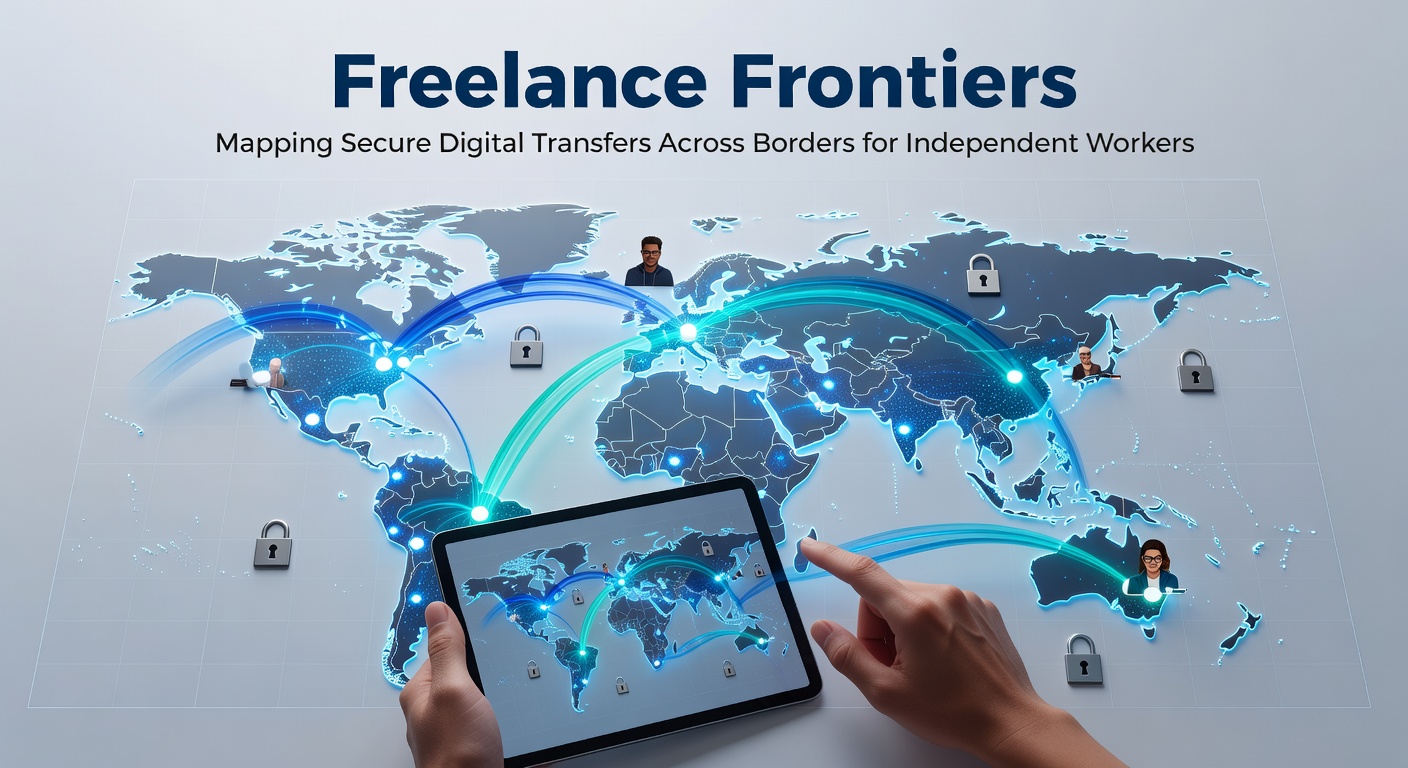
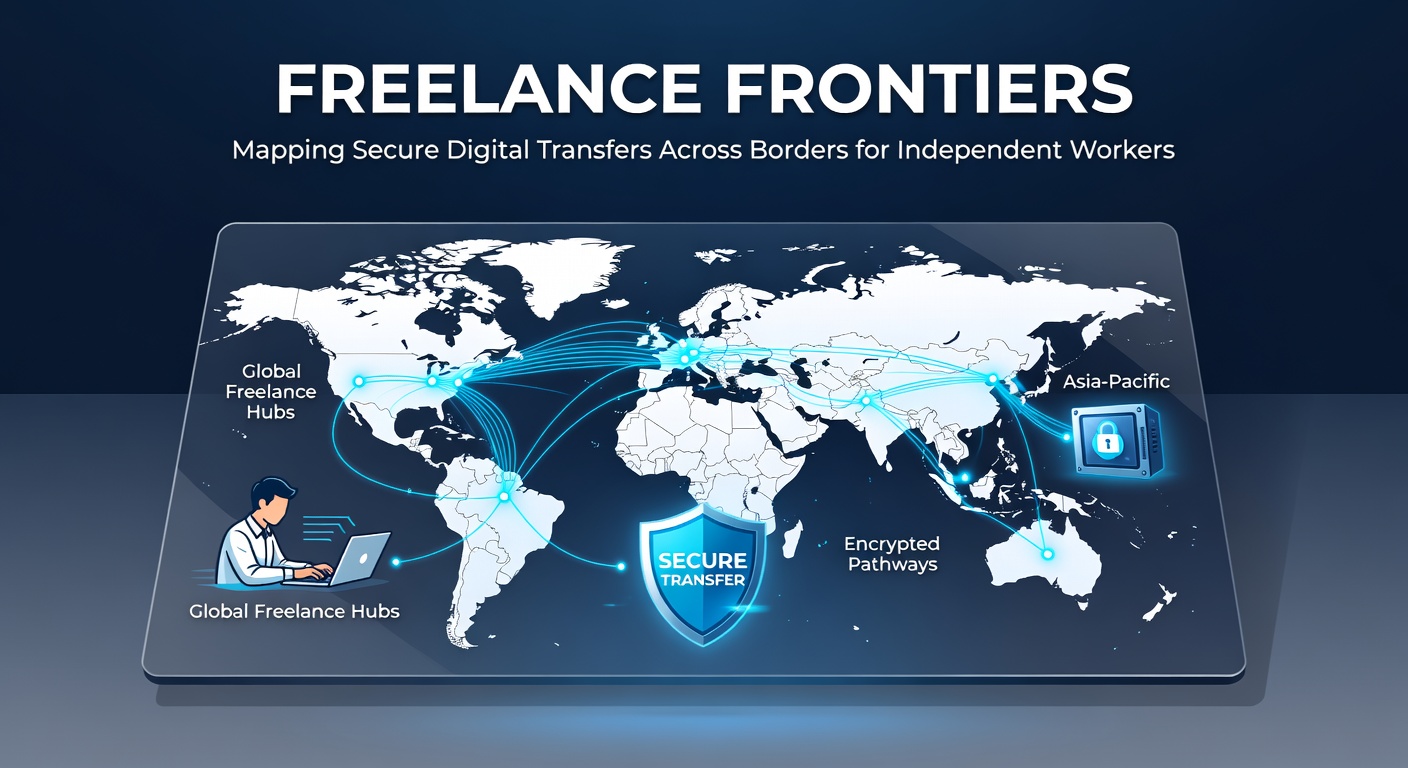
Freelance Frontiers: Mapping Secure Digital Transfers Across Borders for Independent Workers
Independent workers now handle projects that span multiple continents, and they rely on digital transfers that move funds reliably while meeting security standards. Data from the OECD shows that cross-border freelance earnings reached record levels by early 2026, with payment volumes growing steadily as remote contracts increased. Observers note that these transfers must navigate different banking rules, currency conversions, and verification requirements without exposing sensitive details.
Current Patterns in International Freelance Payments
Freelancers often receive payments through platforms that support multiple currencies, and these systems automatically apply exchange rates based on real-time market data. According to figures released by the World Bank in its 2025 migration and development brief, remittances tied to gig work rose 8 percent year-over-year, reflecting broader adoption of digital channels. People in regions such as Southeast Asia and Latin America frequently use these routes to receive earnings from clients in North America and Europe, where the largest pools of remote contracts originate.
Security protocols built into these transfers include end-to-end encryption and multi-factor authentication that verify identities before funds move. Researchers at the Bank for International Settlements documented how such measures reduced unauthorized access attempts by 22 percent across monitored payment rails during 2025. And while traditional wire services still operate, many independent contractors have shifted toward specialized services that complete settlement in hours rather than days.
Technologies Supporting Secure Transfers
Blockchain-based ledgers provide an immutable record of each transaction, allowing freelancers and clients to trace funds without relying on a single intermediary. Studies from the European Central Bank indicate that distributed ledger applications handled over 15 percent of tested cross-border test payments in controlled environments by April 2026. These systems integrate with existing banking infrastructure through application programming interfaces that maintain compliance with anti-money laundering checks.
Tokenized accounts add another layer by converting fiat amounts into digital representations that settle instantly once conditions are met. Data compiled by the Reserve Bank of Australia reveals that such tokens processed an average of 1.2 million freelance-related transfers monthly during the first quarter of 2026. Experts tracking adoption patterns point out that these tools work alongside established networks, creating hybrid pathways that balance speed with regulatory oversight.
Regulatory Developments Effective May 2026
New alignment rules under the European Union’s updated digital finance package took effect in May 2026, requiring enhanced verification for transfers exceeding certain thresholds. The changes standardize reporting across member states, and payment providers must now share standardized data sets with authorities within 24 hours of flagged activity. Canadian regulators introduced parallel guidelines that same month, focusing on identity verification for non-resident recipients to align with similar international standards.
These updates build on existing frameworks without replacing them, and compliance teams at major processors report that most systems required only minor updates to meet the new timelines. Research published by the International Monetary Fund notes that jurisdictions adopting coordinated standards saw a measurable drop in transaction delays during the transition period.
Practical Approaches Used by Independent Workers
Freelancers commonly maintain accounts in multiple currencies to minimize conversion fees, and they schedule transfers during periods of favorable exchange rates tracked through automated alerts. One documented workflow involves batching smaller payments into weekly settlements that reduce cumulative processing costs, according to transaction logs shared in industry roundtables. Security habits include using dedicated virtual accounts that isolate project funds from personal banking details.
Case examples from platform operators show that freelancers who enable real-time alerts for account activity detect discrepancies faster than those relying on monthly statements. Government data from Singapore’s Monetary Authority indicates that users who activate these notifications experienced 30 percent fewer disputes over unauthorized deductions in 2025. Such practices integrate with broader risk-management strategies that treat each transfer as part of a documented audit trail.
Looking Ahead for Cross-Border Freelance Transfers
Continued integration of artificial intelligence for fraud detection continues to refine screening without slowing legitimate flows, as evidenced by pilot programs tracked by the Bank of Canada. These tools analyze patterns across millions of transactions daily and flag anomalies for review while releasing verified payments within seconds. Observers expect further standardization of digital identity frameworks to reduce duplicate verification steps that currently add friction for repeat clients and contractors.
Conclusion
Secure digital transfers for independent workers depend on layered technologies, coordinated regulations, and consistent user practices that together maintain both speed and protection. Figures from multiple central banks confirm steady growth in these channels through 2026, driven by expanding remote work arrangements. As frameworks evolve, the infrastructure supporting these movements adapts to keep pace with global project demands while preserving verification standards across borders.