Device Pairings Linking Sales Logs to Compliance Checks for Mobile Stall Networks
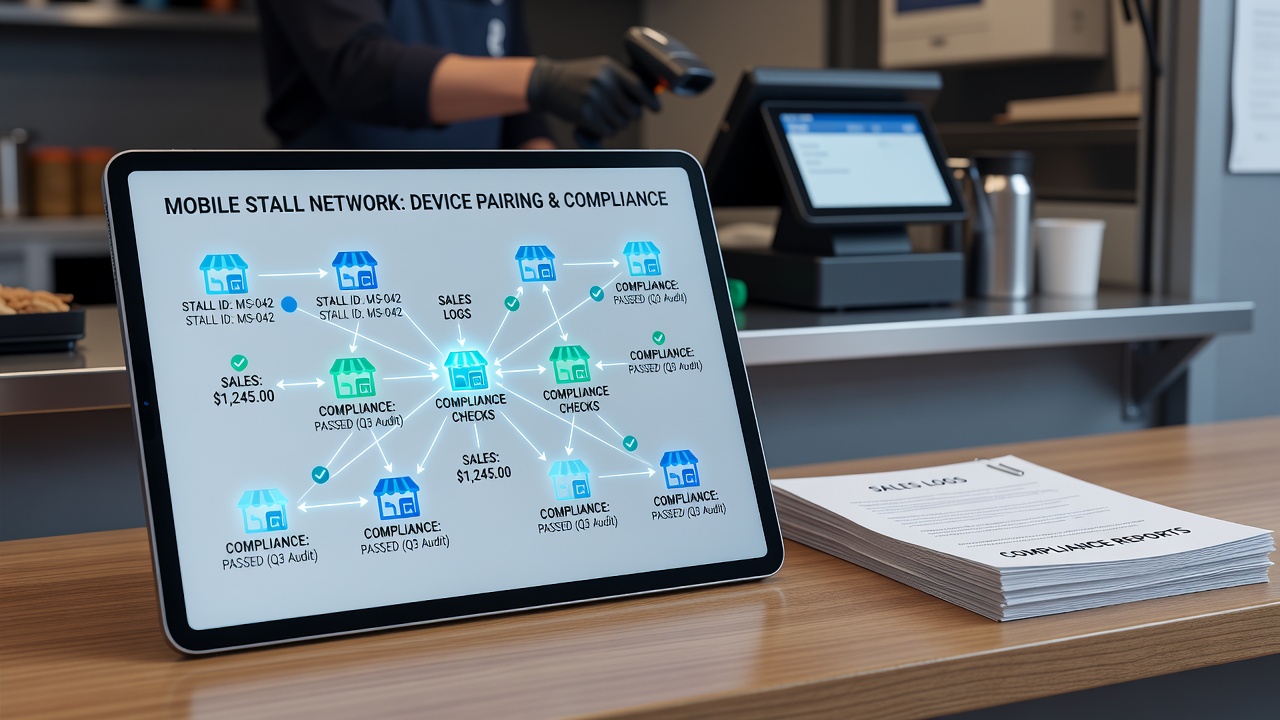
Mobile stall networks operate across temporary setups in markets, festivals, and pop-up locations where vendors rely on portable payment terminals to process transactions. These devices pair with centralized sales logging platforms through wireless protocols, creating direct channels that feed transaction details into compliance monitoring systems. In practice the pairing process begins when a handheld reader establishes a secure Bluetooth or Wi-Fi connection to a tablet or smartphone application, allowing each sale to register automatically in encrypted logs. Operators in regions such as the European Union and Australia have adopted standardized pairing routines since 2024, with further refinements scheduled for regulatory updates in June 2026. The Australian Taxation Office outlines requirements for real-time record capture in its guidelines for small business operators, emphasizing that paired devices must transmit sales data within set intervals to meet tax reporting standards. Similar frameworks appear in Canadian Revenue Agency documentation, which requires mobile vendors to maintain synchronized logs that authorities can audit on demand.
Technical Mechanisms Behind Device Pairing
Pairing relies on unique device identifiers and cryptographic keys that match each terminal to a specific logging account. Once connected, the system records itemized sales, timestamps, payment methods, and location coordinates without requiring manual entry. This automation reduces discrepancies between reported revenue and actual cash flow, a factor auditors examine during compliance reviews. Data flows through application programming interfaces that convert raw transaction outputs into structured formats compatible with regulatory databases. Vendors using networks in Southeast Asian markets have integrated these pairings with national e-invoicing platforms, where each paired device transmits daily aggregates that align with value-added tax filings. The process supports multi-currency handling because the logging layer converts amounts into standardized reporting units before storage.
Integration with Compliance Verification
Compliance checks occur when regulatory bodies access the linked logs through secure portals. In the United Kingdom, Her Majesty's Revenue and Customs has tested pilot programs connecting mobile stall data streams to automated verification tools, allowing inspectors to cross-reference declared figures against paired device outputs. One study from the University of Melbourne examined similar systems in Australian farmers' markets and found that paired setups produced audit-ready records 40 percent faster than manual methods. The linkage also extends to inventory tracking because sales logs update stock levels in real time. When a device registers a transaction, the system adjusts quantities and flags potential underreporting if physical counts diverge from digital records. Such features prove useful for networks operating across multiple weekend circuits where operators move between sites daily.
Operational Examples Across Regions
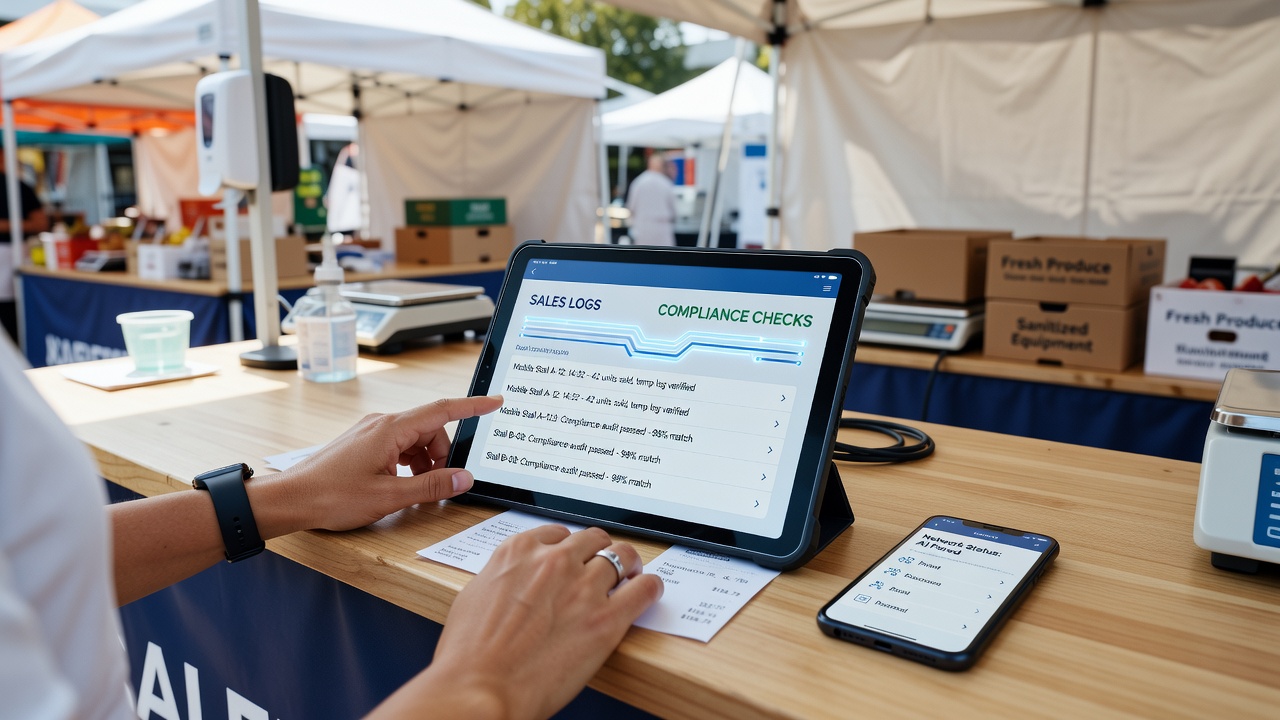
Consider vendors participating in North American craft fair circuits. Each stall uses paired card readers that feed data into a shared cloud ledger reviewed monthly by tax consultants. The system timestamps every pairing event, creating an immutable chain that demonstrates continuous compliance throughout the season. Observers note that such chains help operators demonstrate adherence when authorities request supporting documentation for cross-border movement of goods. In African mobile market networks, pairing extends to SIM-based devices that connect directly to national mobile money platforms. Transaction logs then route through central clearing houses that enforce anti-money laundering checks before funds settle. Figures from the World Bank’s 2025 digital economy report indicate that markets adopting these paired systems recorded a 25 percent increase in traceable revenue streams compared with prior periods.
Challenges in Maintaining Reliable Pairings
Network interruptions can break pairings, requiring fallback procedures that still capture essential data. Vendors often configure backup local storage on the device itself, which syncs once connectivity returns. Regulatory guidance in several jurisdictions specifies that any offline period must remain under a defined threshold, after which manual reconciliation becomes mandatory. Security protocols add another layer because paired connections must resist interception. Encryption standards such as TLS 1.3 combined with device-specific certificates protect the data path between terminal and log server. Researchers at the Technical University of Denmark published findings in 2025 showing that properly implemented pairings reduced unauthorized access incidents in simulated mobile vendor environments by substantial margins.
Future Developments Scheduled for 2026
Updates planned for June 2026 include expanded support for near-field communication pairings that allow faster device recognition at high-traffic stalls. These changes coincide with new reporting templates released by the OECD for cross-border small business taxation, templates that explicitly reference automated log synchronization as an acceptable compliance method. Vendors who maintain consistent pairings position their operations for smoother interactions with inspectors. The approach integrates sales capture, record retention, and verification into one workflow, eliminating separate steps that once created gaps in documentation.
Conclusion
Device pairings create measurable connections between daily operations at mobile stalls and the regulatory frameworks that govern them. As networks expand across regions, the technical standards supporting these linkages continue to evolve, driven by requirements for accurate, auditable sales data. The result appears in streamlined processes that align vendor practices with oversight expectations without disrupting on-site commerce.